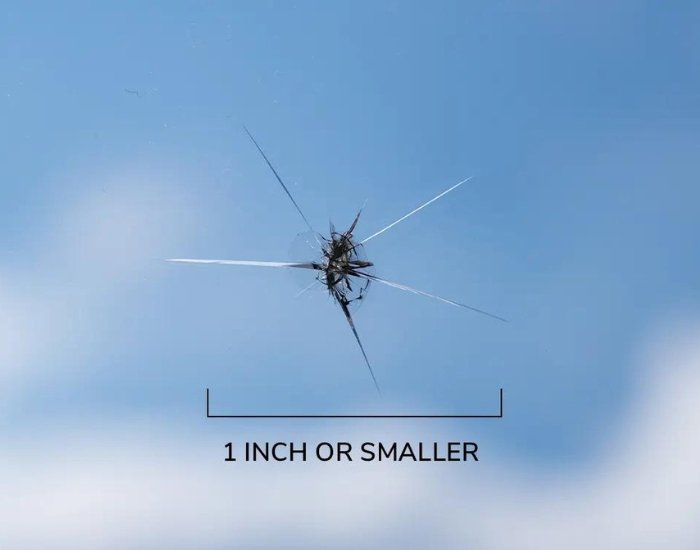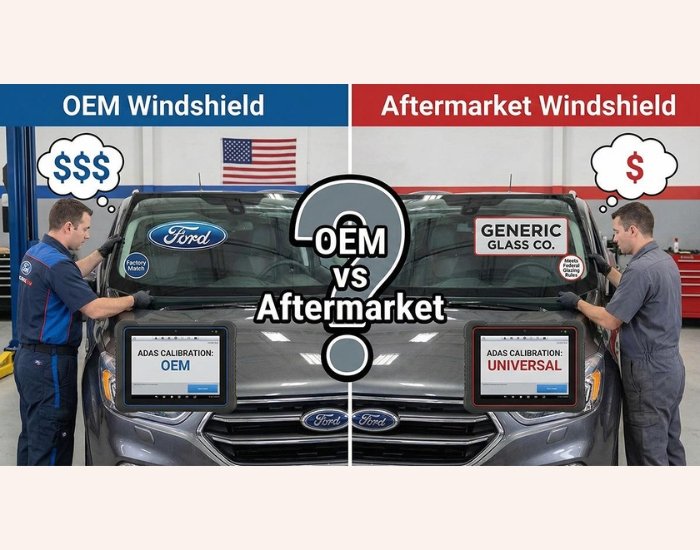
When a windshield is already cracked, even something as ordinary as rain can start to feel like a threat. Many drivers wonder if water itself makes the damage worse—or if it’s just another weather condition their car can handle without consequences.
The short answer is that rain doesn’t “break” your windshield instantly, but it can absolutely contribute to worsening a crack over time. The real danger isn’t just water—it’s what rain carries into the crack and how it interacts with temperature changes, pressure shifts, and existing structural weakness in the glass.
Understanding this helps you decide whether you can safely keep driving or if you need immediate repair before a small issue becomes a full windshield failure.
Table of Contents
- Does Rain Actually Damage a Cracked Windshield?
- What Happens When Rain Gets Into a Crack
- Why Cracks Often Spread After Rain
- The Hidden Role of Temperature and Moisture
- When a Rain-Damaged Crack Becomes Dangerous
- How Technicians Assess Water-Damaged Cracks
- Repair vs Replacement After Rain Exposure
- How to Protect a Cracked Windshield in Rainy Weather
- Rain and Windshield Damage in Humid Climates
- FAQ: Rain and Cracked Windshields
Important Note
A cracked windshield is already structurally weakened, and rain can accelerate hidden damage processes that are not always visible at first. While the glass may still appear stable after a storm, internal stress can increase over time. This guide explains what really happens when rain enters a crack and why early repair matters more than most drivers realize.
Does Rain Actually Damage a Cracked Windshield?
Rain itself does not immediately destroy a windshield crack, but it can contribute to long-term deterioration. The real issue is not the water alone—it is how moisture interacts with the microscopic structure of damaged glass.
When a windshield is cracked, its internal layers are exposed to air, dirt, and moisture. Rainwater can seep into these tiny openings and begin weakening the bond between layers of laminated glass. Over time, this weakens the structural integrity and makes the crack more likely to spread.
So while rain is not the direct “cause” of worsening damage, it is definitely a catalyst that speeds up existing problems.
What Happens When Rain Gets Into a Crack
At first glance, a windshield crack may look like a simple surface line. But inside, it is a complex fracture that runs through laminated layers of glass and plastic interlayer material.
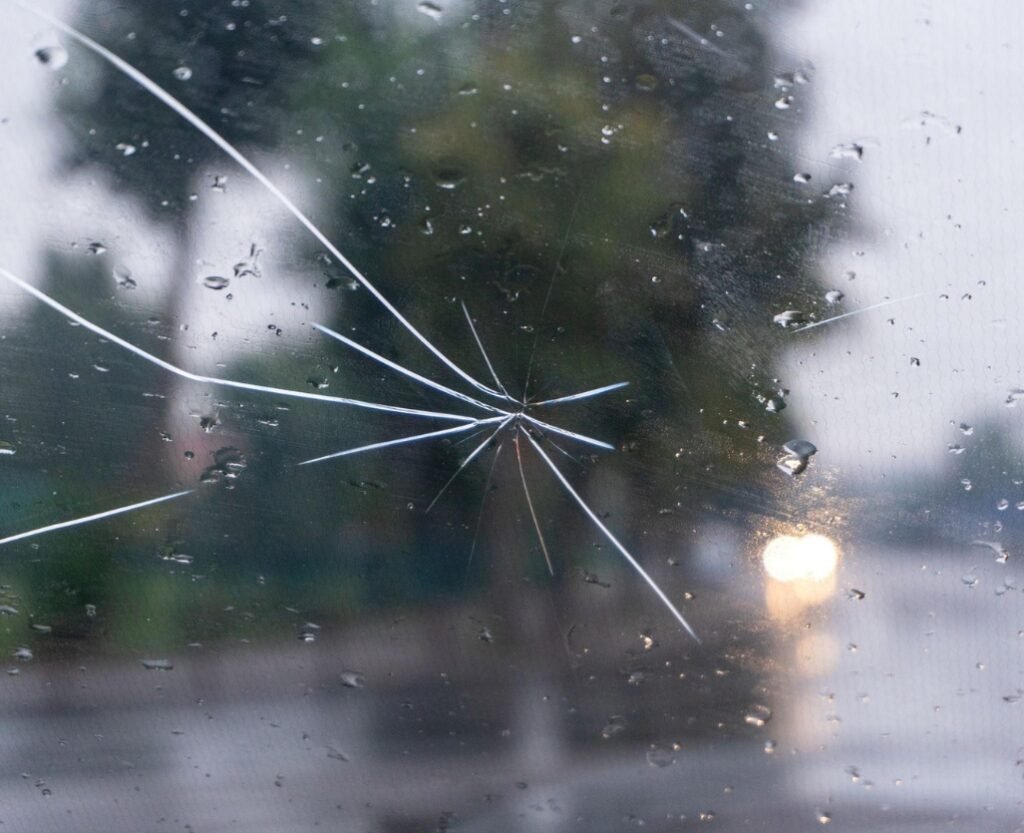
When rainwater enters this fracture, it doesn’t just sit there. It can penetrate deeper into the crack, carrying dust, road debris, and microscopic particles along with it. These contaminants make it harder for future repairs to properly seal the damage.
Moisture also affects how light and temperature interact with the damaged area. This can create internal stress points that gradually push the crack further outward, especially when the vehicle is driven afterward.
Why Cracks Often Spread After Rain
Many drivers notice something frustrating: a small crack seems stable, but after a rainy day, it suddenly gets longer. This is not a coincidence.
When rainwater fills a crack, it weakens the structural friction that was temporarily holding the glass in place. Then, when the car is driven or exposed to vibration, the weakened structure allows the crack to extend more easily.
Additionally, rain often comes with temperature changes. A sudden drop in temperature causes glass to contract slightly. If moisture is trapped inside a crack, that contraction can intensify stress at the fracture edges, making spreading more likely.
The Hidden Role of Temperature and Moisture
The combination of water and temperature shifts is what makes rain particularly tricky for cracked windshields. On its own, moisture is not extremely harmful. But paired with heat or cold cycles, it becomes a stress multiplier.
For example, a windshield heated by sunlight during the day and then cooled by rain at night experiences rapid expansion and contraction. This repeated movement places strain directly on the weakest point—the crack itself.
Over time, this cycle can turn a repairable crack into a replacement-level fracture.
Important Note
Not every rain-exposed crack will immediately worsen, which is why many drivers underestimate the risk. However, hidden structural changes can develop slowly over days or weeks. Even if your windshield looks unchanged after rain, internal weakening may still be progressing, making future repair more difficult or impossible.
When a Rain-Damaged Crack Becomes Dangerous
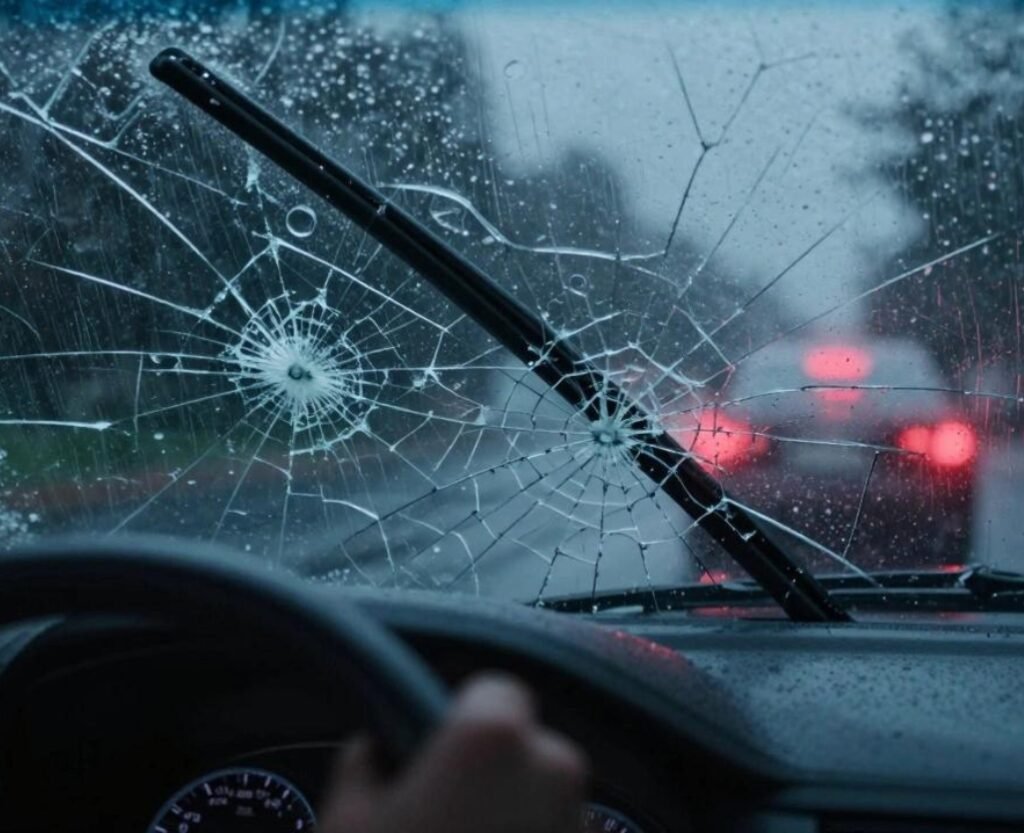
A cracked windshield becomes a safety concern when it begins to affect visibility or structural stability. Rain can make this worse by adding glare, water distortion, and reflection issues that reduce clear vision while driving.
If you notice the crack spreading across your line of sight, or if rain makes it harder to see oncoming traffic, the situation becomes urgent. Windshields are not just for visibility—they also support roof strength during collisions and protect airbags during deployment.
Once a crack compromises these functions, it is no longer just a cosmetic issue.
How Technicians Assess Water-Damaged Cracks
When a technician evaluates a windshield after rain exposure, they look beyond surface appearance. The key question is whether moisture has contaminated the internal fracture path.
They inspect crack length, branching patterns, and whether dirt or water has entered deep into the laminated layers. If contamination is present, it may reduce the effectiveness of resin repair because bonding requires a clean, dry surface.
Technicians also check for “stress spreading,” which is microscopic expansion not always visible to the driver but detectable under inspection tools.
Repair vs Replacement After Rain Exposure
If the crack is still small and has not spread significantly after rain exposure, repair is often still possible. The key requirement is that the damage remains stable and not heavily contaminated.
However, if rain has allowed debris or moisture deep into the crack, or if the crack has extended beyond repair limits, replacement becomes the safer option.
Repair works best when done quickly after damage occurs. Waiting through multiple rain cycles reduces success rates because the internal structure becomes harder to restore.
How to Protect a Cracked Windshield in Rainy Weather
If you cannot repair your windshield immediately, there are steps to reduce further damage during rain exposure. Parking under cover or in a garage helps reduce moisture contact and temperature fluctuations.
Avoid using windshield defrosters at high heat levels right after rain, as sudden temperature changes can worsen stress on the crack. Driving carefully over rough roads also reduces vibration-induced spreading.
Even temporary protective film or crack seal tape can help reduce water intrusion until professional repair is possible.
Rain and Windshield Damage in Humid Climates
In regions with frequent rain and humidity, such as Houston and similar coastal environments, windshield cracks tend to worsen faster due to constant moisture exposure and repeated temperature shifts.
Humidity allows moisture to linger longer inside cracks, increasing the chance of contamination and gradual weakening. Combined with hot daytime temperatures, this creates a cycle of expansion and contraction that accelerates damage growth.
For drivers in these climates, early repair is especially important because waiting even a few days can significantly change repair outcomes.
FAQs: Rain and Cracked Windshields
Can rain alone cause a windshield crack to spread?
Rain does not directly cause cracking, but it can weaken existing damage and contribute to spreading when combined with temperature changes and vibration.
Is it safe to drive in the rain with a cracked windshield?
It may be temporarily safe if visibility is not affected, but it increases the risk of crack expansion and reduced structural integrity.
Does drying a windshield crack fix the damage?
No. Drying does not repair structural fractures. Once a crack forms, professional resin repair is required.
Should I repair a crack before rainy season?
Yes. Repairing before exposure to repeated rain cycles significantly improves long-term stability and reduces spread risk.
How fast can rain make a crack worse?
It depends on temperature changes and vibration, but in some cases cracks can noticeably expand within a single day or storm cycle.
Disclaimer: This article is for informational purposes only and does not replace professional auto glass inspection. Always consult a qualified technician for accurate assessment and repair recommendations.