One of the most common questions drivers ask after a rock hits their windshield is surprisingly simple—but the answer isn’t always straightforward: what size crack can actually be repaired? Some drivers hope a long crack can be quickly fixed, while others worry even a small chip means a full replacement.
The truth is, windshield repair depends on more than just size. It also depends on the location of the damage, how deep it has spread, temperature exposure, and even how long you’ve waited before getting it checked. Understanding these details can help you avoid unnecessary replacement costs and also prevent a small crack from turning into a much bigger safety issue.
Table of Contents
- Quick Answer: What Size Crack Can Be Repaired?
- How Windshield Crack Repair Actually Works
- Standard Crack and Chip Size Limits
- When Repair Is Enough vs When Replacement Is Needed
- Hidden Factors That Decide Repair Eligibility
- Why Cracks Grow Overnight or in Heat
- When to Worry About a Windshield Crack
- How Technicians Evaluate Windshield Damage
- Repair Process Explained Step by Step
- How to Prevent Cracks From Spreading
- Windshield Repair in Houston Conditions
- FAQ: Windshield Crack Repair Size Questions
Important Note
Many drivers assume any crack automatically requires a full windshield replacement, but that is not always true. Understanding repair limits can help you save money and prevent unnecessary panic. However, ignoring even small cracks can lead to spreading damage, reduced visibility, and safety risks. This guide will help you understand what truly matters when deciding between repair and replacement.
Quick Answer: What Size Crack Can Be Repaired?
In most real-world automotive glass standards, cracks under about 6 inches can often be repaired, and chips smaller than a quarter (about 1 inch in diameter) are usually considered ideal repair candidates. However, these are not strict rules—more like industry guidelines.
A crack that is slightly longer may still be repairable if it is stable, not spreading, and not located in the driver’s direct line of sight. On the other hand, even a small crack may require replacement if it affects structural integrity or sits near the windshield edge.
Think of repairability less like a fixed number and more like a safety decision. Technicians are not just looking at size—they are evaluating risk.
How Windshield Crack Repair Actually Works
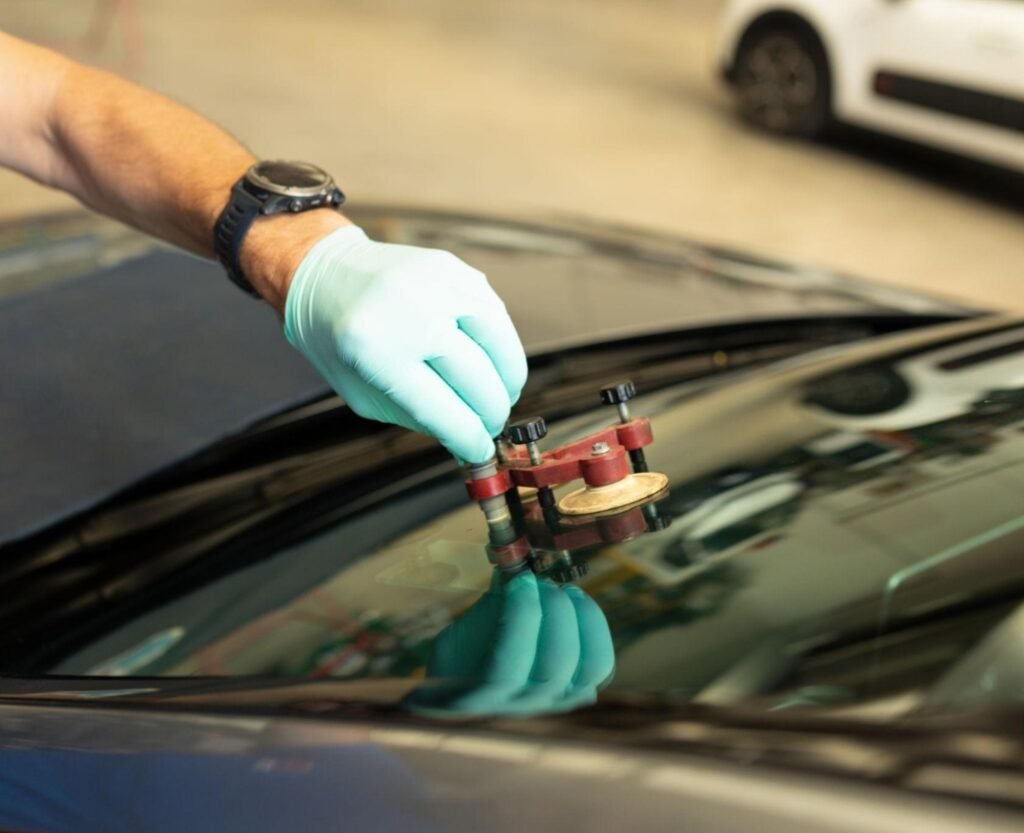
Windshield repair is not simply “covering up” a crack. It is a controlled injection process where a special resin is placed into the damaged area under pressure. This resin bonds the glass layers together and restores structural strength.
The reason size matters is because resin can only travel so far inside a crack. If the damage is too long or too branched out, the resin cannot fully seal it, leaving weak points that may continue spreading over time.
When done correctly, repair can stop a crack from growing, restore clarity, and strengthen the damaged area so it performs safely under pressure and vibration.
Standard Crack and Chip Size Limits
Most professional auto glass technicians follow general repair guidelines rather than strict laws. These guidelines are based on safety testing and long-term durability studies.
Typically, the following is considered safe for repair:
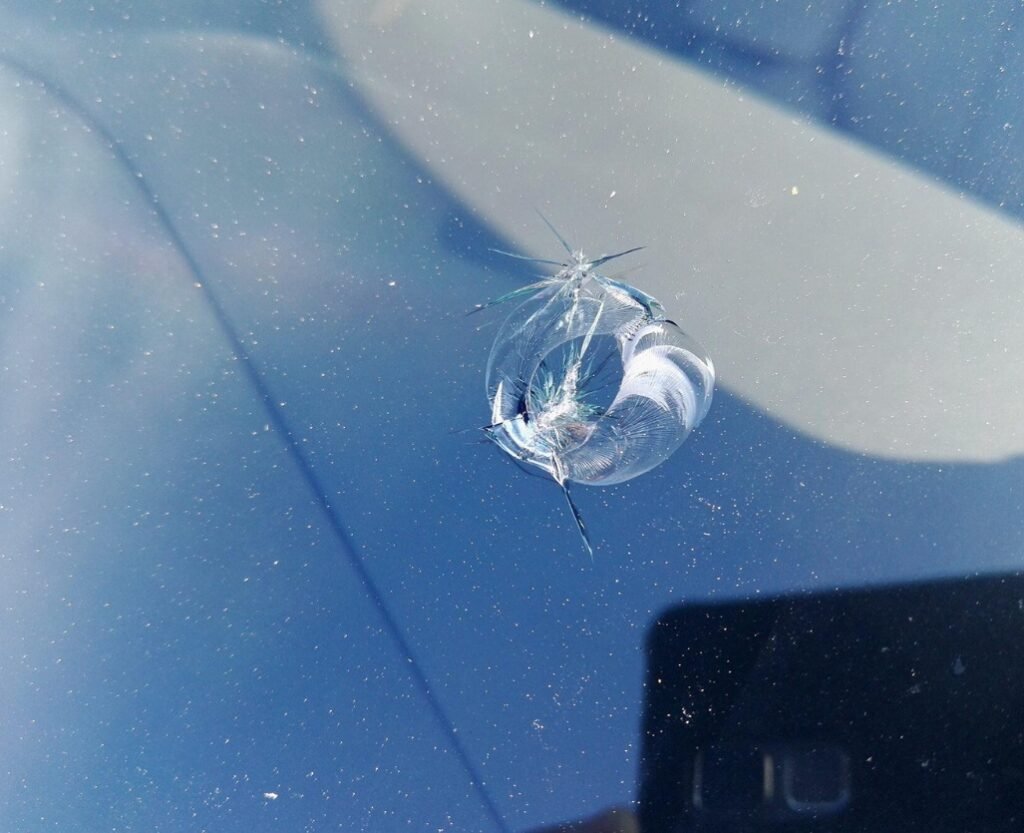
Small chips like “bullseye” or “star” breaks under 1 inch in diameter are almost always repairable. Cracks up to 3–6 inches may still be repairable depending on shape and spread pattern. Short “hairline cracks” that have not branched often respond well to resin injection.
However, once a crack exceeds 6–12 inches, repair becomes less reliable because the glass tension is already compromised across a wider area.
The key idea is not just length—it’s stability. A 4-inch stable crack may be safer to repair than a 2-inch actively spreading crack.
When Repair Is Enough vs When Replacement Is Needed
Repair is usually the best option when the damage is small, isolated, and away from critical viewing areas. It is faster, more affordable, and helps preserve the original factory seal of your windshield.
Replacement becomes necessary when cracks reach the edges of the glass, when multiple cracks intersect, or when the driver’s field of vision is significantly affected. Once structural integrity is compromised, repair is no longer reliable.
Another important factor is safety layering. Modern windshields are laminated with two layers of glass and a plastic interlayer. If damage reaches both layers or spreads deeply into the laminate, repair is no longer effective.
Important Note
Many drivers delay repairs thinking cracks are “too small to matter,” but temperature changes, road vibrations, and moisture can quickly turn minor damage into a full windshield failure. Early inspection is always the safest approach—even if the crack seems harmless at first.
Hidden Factors That Decide Repair Eligibility
Size is only one part of the decision. Professional technicians evaluate several hidden factors that most drivers never think about.
Location is one of the most important. Damage directly in front of the driver is harder to repair because even a small distortion can affect visibility. Edge cracks are also riskier because the windshield loses structural support near the frame.
Depth and contamination matter too. If dirt, water, or oil enters the crack, it can block resin bonding and reduce repair quality. That is why quick repair after damage is always recommended.
Temperature stress is another major factor. In hot climates like Houston, glass expands rapidly, which can cause cracks to spread faster than expected.
Why Cracks Grow Overnight or in Heat
Many drivers are surprised when a tiny chip turns into a long crack overnight. This happens due to thermal expansion. Windshields expand in heat and contract in cold, creating pressure along weak points.
Even small vibrations from driving can slowly extend a crack. Parking in direct sunlight, blasting cold AC on hot glass, or driving over uneven roads can all contribute to crack growth.
This is why a repairable crack today may become a replacement tomorrow if ignored.
When to Worry About a Windshield Crack
A crack becomes a concern when it begins affecting visibility, spreads quickly, or reaches structural edges of the windshield. If you notice distortion while looking through the crack, or if it starts branching into multiple directions, it is no longer a simple cosmetic issue.
Another warning sign is sudden expansion after temperature changes. This usually indicates that the internal stress in the glass is increasing.
Windshields are a key structural component of modern vehicles, supporting roof strength during accidents. That means even small cracks can affect overall crash safety if ignored too long.
How Technicians Evaluate Windshield Damage
Professional evaluation is more detailed than most people realize. Technicians inspect crack length, depth, angle of impact, contamination level, and proximity to edges or sensors.
They also check whether the damage has penetrated both layers of laminated glass. If only the outer layer is affected, repair is more likely. If both layers are compromised, replacement is often the safer choice.
In many cases, technicians also simulate pressure tests to see whether the crack is stable or actively spreading under vibration conditions.
Repair Process Explained Step by Step
Windshield repair is a precision process. First, the damaged area is cleaned to remove debris and moisture. Then, a vacuum is applied to extract air from the crack.
After that, a specialized resin is injected into the damaged area. This resin is then cured using UV light, hardening it into a clear, strong bond that restores structural stability.
The final step involves polishing the surface to reduce visibility of the repaired area. While the crack may not completely disappear visually, its structural danger is significantly reduced.
How to Prevent Cracks From Spreading
Once a crack appears, preventing it from spreading becomes a priority. Avoid sudden temperature changes inside the vehicle, such as blasting AC directly onto a hot windshield. Driving carefully over potholes and rough roads also reduces stress on the glass.
Covering small chips temporarily and scheduling quick repair can prevent full windshield failure. Time is the most important factor in successful repair outcomes.
Windshield Repair Conditions in Houston
In Houston’s hot and humid climate, windshield cracks often spread faster due to constant heat expansion. Parking outdoors, highway driving, and sudden weather changes can all accelerate damage growth.
This makes early repair especially important for drivers in the region. What might be repairable today can quickly turn into a full replacement situation within days under extreme heat stress.
FAQ: Windshield Crack Repair Size Questions
Can a 12-inch crack be repaired?
In most cases, a 12-inch crack is too long for reliable repair. It usually requires full windshield replacement for safety and durability.
Is a chip smaller than a dime always repairable?
Most small chips are repairable, especially if they are shallow and not contaminated with dirt or water.
Can driving make a crack worse?
Yes. Vibrations, speed bumps, and road pressure can all extend cracks over time.
Is it safe to ignore a small crack?
No. Even small cracks can spread quickly due to temperature changes and structural stress.
How long does windshield repair last?
A properly repaired crack can last for years if the damage was stable and correctly sealed.
Disclaimer: This article is for informational purposes only and does not replace professional auto glass inspection or safety assessment. Always consult a qualified technician for accurate evaluation of windshield damage.