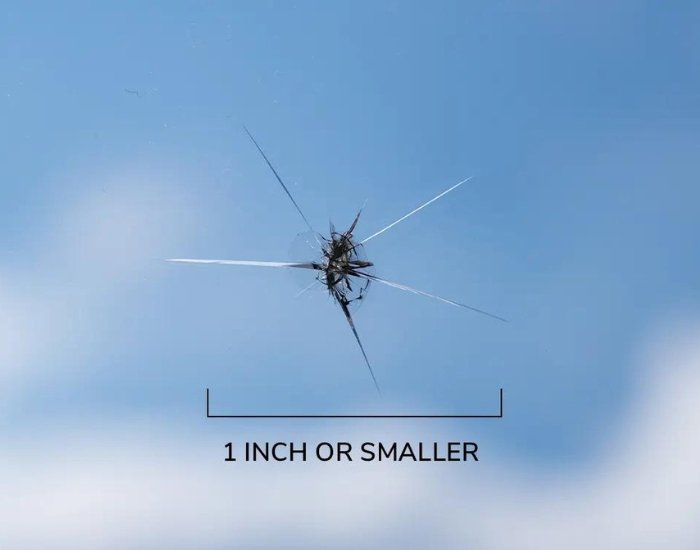
You park your car in the evening thinking everything looks fine. Maybe there’s a tiny chip you barely noticed after driving home from work, or maybe the windshield appears completely normal. Then the next morning, you walk outside and suddenly see a long crack stretching across the glass. It feels confusing because the vehicle was sitting still all night. Many drivers immediately wonder whether someone hit the car, whether the glass was defective, or whether temperature changes somehow caused the damage overnight.
The truth is that overnight windshield cracks are extremely common, especially in places like Houston where temperature swings, humidity, road vibration, and intense heat put constant stress on auto glass. In many cases, the damage actually started earlier, but the crack only became visible after pressure and temperature changes weakened the glass further.
Table of Contents
- Why Windshields Crack Overnight
- How Temperature Changes Damage Windshields
- How Tiny Chips Become Large Cracks
- What Is a Stress Crack?
- Why Houston Heat Makes Windshield Cracks Worse
- Can Air Conditioning Cause Windshield Cracks?
- Can a Windshield Crack Without Being Hit?
- When a Crack Becomes Dangerous
- Should You Repair or Replace the Windshield?
- Important Safety Note
- Is It Safe to Drive With a Cracked Windshield?
- What Happens During Windshield Replacement?
- Does Insurance Cover Overnight Windshield Cracks?
- How to Prevent Windshield Cracks From Spreading
- Why Houston Drivers Experience More Windshield Damage
- Frequently Asked Questions
- Disclaimer
Important Note
A windshield crack that appears overnight can feel alarming, especially when there was no visible accident or impact. In many situations, hidden stress inside the glass has been building for days or weeks before the crack suddenly spreads. Understanding what causes windshield damage can help drivers respond quickly before visibility, structural safety, and repair costs become much worse.
Why Windshields Crack Overnight
Most overnight windshield cracks are caused by stress that already existed inside the glass before the crack became visible. A tiny chip from road debris, uneven pressure on the windshield, rapid temperature changes, or structural tension may weaken the glass gradually until it finally spreads.
Even though the crack seems sudden, the damage usually started earlier.
Modern windshields are built from laminated safety glass designed to absorb impact and protect passengers. While they are strong, they are constantly exposed to pressure from:
- Temperature expansion and contraction
- Road vibration
- Potholes
- Vehicle frame movement
- High-speed driving stress
- Previous rock chips
Once the glass develops a weak point, it becomes vulnerable to spreading unexpectedly.
Drivers often search online asking:
- Why did my windshield crack while parked?
- Can a windshield crack by itself?
- Why did my windshield crack overnight with no impact?
- Can temperature changes crack auto glass?
In many cases, the answer involves a combination of hidden damage and environmental stress.
How Temperature Changes Damage Windshields
Temperature fluctuation is one of the biggest reasons windshield cracks suddenly spread overnight.
Glass expands when heated and contracts when cooled. During a hot Houston day, the windshield may absorb intense sunlight for hours, reaching extremely high temperatures. Then nighttime temperatures drop, causing the glass to cool rapidly.
This constant expansion and contraction creates stress throughout the windshield structure.
If the windshield already contains a small chip or microscopic weakness, temperature shifts place additional pressure on the damaged area. Eventually, the tension becomes too much, and the crack spreads.
What surprises many drivers is that the crack may not appear immediately during the hottest part of the day. Instead, the spreading often occurs overnight while the glass cools and contracts.
Another common situation involves sudden cooling from air conditioning. Blasting very cold air onto a superheated windshield creates uneven temperature distribution, which stresses the glass further.
Questions people commonly ask include:
- Can heat crack a windshield?
- Why do windshield cracks spread in summer?
- Can cold weather damage windshields?
- Does temperature change affect auto glass?
The answer is yes. Thermal stress is one of the most common causes of sudden windshield cracking.
How Tiny Chips Become Large Cracks
Many overnight windshield cracks actually begin as tiny chips that seemed harmless initially.
Small rock impacts from highways often create microscopic fractures that drivers barely notice. The chip may appear stable for days or even weeks before suddenly expanding.
What causes the spread is accumulated pressure.
Every bump in the road, every pothole, every slammed car door, and every temperature shift adds stress to the weakened area.
Over time, the internal layers of the glass begin separating further. Eventually, a visible crack shoots outward from the original impact point.
Drivers often feel shocked because the crack appears dramatically larger overnight. In reality, the stress buildup has been happening slowly beneath the surface.
Houston highways contribute heavily to this problem. Loose gravel, construction debris, and constant road vibration create ideal conditions for small chips to worsen quickly.
This is why windshield repair professionals encourage fixing chips immediately before they spread into full replacement situations.
What Is a Stress Crack?
A stress crack is a windshield crack that develops without a direct impact at the moment the crack appears.
Unlike rock chips, stress cracks are caused by internal pressure inside the glass. They often begin near the edge of the windshield where pressure distribution is uneven.
Stress cracks may occur because of:
- Rapid temperature changes
- Manufacturing defects
- Improper installation
- Vehicle frame flexing
- Existing structural weakness
- Uneven pressure on the glass
Many drivers insist “nothing hit the windshield,” and they are often correct. The glass may already contain hidden stress points that finally give way overnight.
Stress cracks can spread surprisingly fast because they are driven by tension throughout the glass rather than isolated impact damage.
Some stress cracks begin as small lines near the windshield edge and extend dramatically across the entire surface within hours.
Why Houston Heat Makes Windshield Cracks Worse
Houston weather creates nearly perfect conditions for windshield damage.
Summer temperatures become extremely intense, especially when vehicles sit parked under direct sunlight for hours. Windshield surfaces can become significantly hotter than the outside air temperature itself.
Once drivers start the vehicle and activate strong air conditioning, the inside surface cools rapidly while the exterior remains extremely hot.
This temperature imbalance creates stress throughout the windshield.
Humidity also plays a role. Moisture exposure and changing atmospheric pressure may contribute to weakening damaged glass seals over time.
Houston roads further increase windshield stress because of:
- Heavy highway traffic
- Construction zones
- Loose gravel
- Potholes
- Frequent stop-and-go driving
- Road vibration
Many drivers notice that windshield cracks spread faster during Texas summers than during cooler months.
Can Air Conditioning Cause Windshield Cracks?
Air conditioning itself does not usually create brand-new windshield damage, but it can absolutely worsen existing weak spots.
Imagine a windshield baking in 100-degree Houston heat for several hours. The outer layer becomes extremely hot. Then cold air suddenly blasts against the inside surface once the car starts.
This rapid temperature difference creates uneven expansion and contraction across the glass.
If the windshield already contains a chip or hidden stress fracture, the sudden cooling may trigger crack spreading.
This is one reason experts recommend gradually cooling extremely hot vehicles rather than blasting maximum cold air immediately onto the windshield.
Drivers commonly ask:
- Can AC crack a windshield?
- Does cold air damage hot glass?
- Why did my windshield crack after using air conditioning?
- Can sudden cooling cause glass stress?
The damage is usually not caused by the air conditioner alone. Instead, the AC intensifies stress already present inside weakened glass.
Can a Windshield Crack Without Being Hit?
Yes, although hidden stress or previous damage is usually involved.
Many drivers assume every windshield crack must come from a visible impact. However, stress cracks can appear without a recent rock strike.
Sometimes the problem relates to installation issues. If the windshield was installed unevenly or excessive pressure exists around the frame, stress can build gradually over time.
Manufacturing defects are another possibility, though they are less common. Tiny imperfections inside the glass may eventually weaken under environmental stress.
Vehicle body flex also matters. Cars naturally twist slightly while driving over uneven roads or potholes. If the windshield already contains a vulnerable area, frame movement can contribute to cracking.
Questions people frequently search include:
- Can windshields crack spontaneously?
- Why did my windshield crack with no rock hit?
- Can poor installation cause cracks?
- Are stress cracks covered under warranty?
While spontaneous cracking sounds unusual, internal stress is often the hidden explanation.
When a Crack Becomes Dangerous
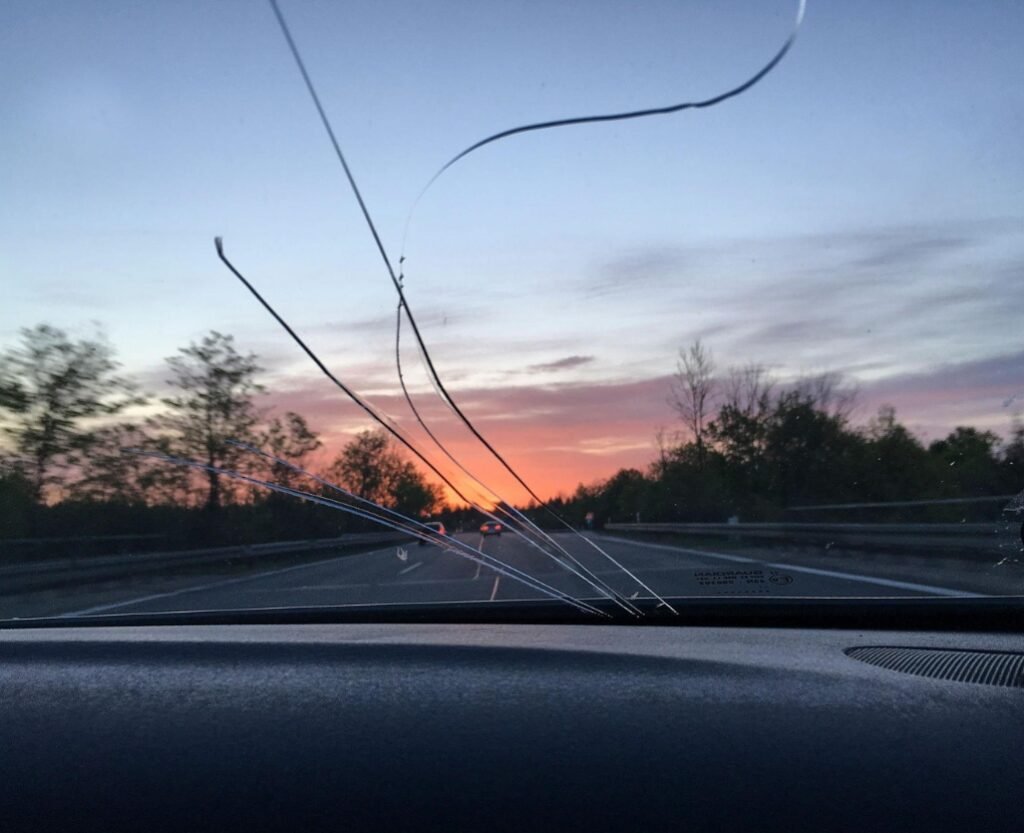
Not every windshield crack creates immediate danger, but some cracks quickly become serious safety concerns.
Large cracks directly in the driver’s line of sight reduce visibility and increase glare. This becomes especially dangerous during nighttime driving, heavy rain, or sunrise conditions.
Another major issue is structural integrity. Windshields help support roof strength during rollovers and assist with proper airbag deployment during collisions.
A severely weakened windshield may not perform correctly during an accident.
Modern vehicles also rely heavily on windshield-mounted safety systems. Cracks near cameras or sensors can interfere with lane departure warnings, collision alerts, and adaptive cruise control systems.
You should take windshield damage more seriously when:
- The crack spreads rapidly
- The damage blocks visibility
- The crack reaches windshield edges
- Multiple cracks appear
- The windshield starts vibrating unusually
- ADAS camera areas are affected
Drivers often delay repairs because the car still feels drivable. Unfortunately, windshield damage rarely stays stable for long.
Important Note
Seeing a windshield crack suddenly spread overnight can feel frustrating and stressful, especially if the damage seemed minor before. The good news is that many cracks become manageable when addressed early. Waiting too long, however, often allows heat, vibration, and road stress to worsen the damage and increase replacement costs significantly.
Should You Repair or Replace the Windshield?
The right solution depends on the size, depth, and location of the damage.
Small chips and limited cracks may sometimes be repaired successfully if addressed early. Repair helps prevent spreading and restores some structural stability.
However, replacement becomes necessary when:
- The crack is too long
- The damage reaches windshield edges
- Visibility is obstructed
- Multiple fracture lines exist
- The windshield structure is weakened
- ADAS systems are affected
Many drivers hope cracks will stop spreading naturally, but that rarely happens. Once the glass structure weakens, environmental stress continues pushing the crack further.
Repairing damage early is usually far less expensive than full replacement later.

Is It Safe to Drive With a Cracked Windshield?
It depends on the severity and location of the crack.
Small chips may not create immediate danger, but large cracks can seriously affect visibility and safety. Sunlight glare through cracked glass often becomes much worse than drivers expect.
Rain also magnifies distortion because water reflects unevenly through fracture lines.
Another issue is distraction. Drivers naturally keep glancing at visible cracks while driving, especially when the crack continues spreading.
Structural protection is equally important. During collisions, windshields help maintain cabin integrity and support airbag deployment.
Drivers frequently search:
- Can a windshield shatter while driving?
- Is it safe to drive with a cracked windshield?
- Can windshield cracks spread suddenly?
- Should I replace my windshield immediately?
While complete shattering is uncommon, severe cracks absolutely weaken windshield performance during accidents.
What Happens During Windshield Replacement?
Modern windshield replacement involves far more than simply swapping glass.
Technicians first inspect the damage and identify the correct replacement windshield. The damaged glass is removed carefully using specialized tools designed to protect the vehicle frame.
The bonding surface is then cleaned thoroughly before high-strength automotive adhesive is applied.
After installation, technicians inspect fitment, sealing, and structural alignment carefully.
Many newer vehicles also require ADAS calibration after windshield replacement. This ensures cameras and safety systems continue operating correctly.
Depending on the adhesive and weather conditions, safe drive-away time may vary.
Does Insurance Cover Overnight Windshield Cracks?
Many comprehensive insurance policies may help cover windshield repair or replacement depending on policy terms and deductibles.
Coverage often applies when windshield damage results from road debris, weather events, or accidental impacts.
Some policies include glass coverage with low or no deductible, while others require partial out-of-pocket payment.
Drivers commonly ask:
- Will insurance cover stress cracks?
- Does comprehensive insurance pay for windshield replacement?
- Should I file a windshield claim?
- Can insurance deny stress crack coverage?
The answer depends on policy details, crack origin, and the insurance provider’s assessment.
How to Prevent Windshield Cracks From Spreading
While not every windshield crack can be prevented, several habits reduce the risk of sudden spreading.
Repair chips quickly before heat and vibration worsen the damage. Delaying repairs is one of the biggest reasons minor chips turn into large cracks.
Avoid blasting extremely cold air directly onto overheated windshields. Gradual cooling reduces thermal stress.
Parking in shaded areas during Houston summers may also help reduce temperature-related pressure.
Maintaining safe following distance behind trucks lowers the risk of rock chip damage from road debris.
Regular windshield inspections become especially important for drivers who spend significant time on highways or construction-heavy roads.
Why Houston Drivers Experience More Windshield Damage
Houston drivers face unique conditions that increase windshield damage risk throughout the year.
Heavy traffic, constant highway construction, loose gravel, and long daily commutes expose windshields to frequent debris impacts.
Extreme summer temperatures then accelerate crack spreading dramatically.
Rapid weather shifts, severe rainstorms, and high humidity place additional stress on damaged auto glass.
Because of these combined factors, windshield chips in Houston often spread much faster than drivers expect.
Frequently Asked Questions
Why did my windshield crack overnight while parked?
Most overnight cracks result from hidden stress inside the glass combined with temperature changes, existing chips, or structural pressure.
Can heat cause windshield cracks?
Yes. Extreme heat and rapid cooling create thermal stress that can worsen existing weaknesses in the glass.
Can a windshield crack without impact?
Yes. Stress cracks can occur from internal pressure, installation issues, temperature changes, or hidden structural weakness.
Will a small windshield chip spread?
Very often, yes. Road vibration, weather changes, and heat commonly cause small chips to expand into larger cracks.
Is it safe to drive with a cracked windshield?
Small damage may remain temporarily manageable, but larger cracks reduce visibility and weaken structural safety.
Can air conditioning crack a windshield?
Air conditioning usually does not create new damage alone, but sudden cooling can worsen existing stress points.
Should I repair or replace my windshield?
Small chips may sometimes be repaired, while larger cracks or structural damage often require full replacement.
Does insurance cover windshield cracks?
Many comprehensive insurance policies help cover windshield repair or replacement depending on deductibles and coverage details.
Disclaimer: This article is for informational purposes only and should not replace professional automotive inspection or repair advice. Windshield damage conditions vary depending on vehicle type, crack severity, installation quality, and environmental factors. Always consult a certified auto glass professional regarding repair or replacement decisions.