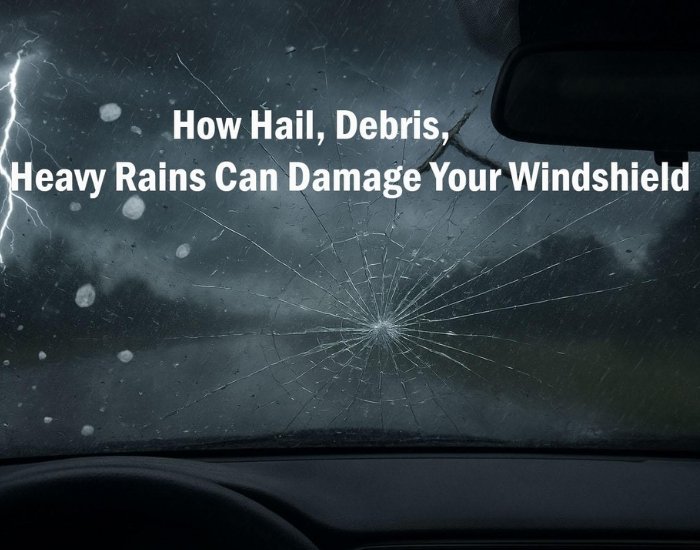
A cracked windshield can happen in seconds. One small rock from a highway truck, a sudden temperature change during a Houston summer, or even a tiny chip left untreated for too long can quickly turn into a long crack stretching across the glass. Many Texas drivers continue driving because the vehicle still feels “fine,” but eventually an uncomfortable question starts creeping in: “Can I actually get pulled over for this?”
What makes the situation confusing is that Texas windshield laws are not always explained clearly online. Some people believe any crack is automatically illegal. Others think police never care unless the windshield is shattered. The reality falls somewhere in the middle. Texas law focuses heavily on driver visibility and vehicle safety, which means the seriousness of the crack matters more than many drivers realize.
Table of Contents
- Is It Illegal to Drive With a Cracked Windshield in Texas?
- What Texas Law Actually Says About Cracked Windshields
- When You Can Get Pulled Over or Ticketed
- Why Windshield Cracks Become Dangerous
- Small Cracks vs Large Cracks
- Will a Cracked Windshield Fail Inspection in Texas?
- Why Texas Heat Makes Cracks Worse
- Does Insurance Cover Cracked Windshields?
- Should You Repair or Replace the Windshield?
- Important Safety Note
- The Real Risks of Continuing to Drive
- What Happens During Windshield Replacement?
- How Much Does Windshield Replacement Cost in Texas?
- Why Houston Drivers Deal With More Windshield Damage
- How to Prevent Windshield Cracks From Spreading
- Frequently Asked Questions
- Disclaimer
Important Note
Many windshield cracks begin as minor cosmetic damage, but some quickly become major safety concerns that affect visibility, structural protection, and even legal driving conditions in Texas. Understanding when a crack becomes dangerous can help drivers avoid tickets, failed inspections, worsening damage, and unnecessary safety risks on busy Texas roads.
Is It Illegal to Drive With a Cracked Windshield in Texas?
Texas does not have a law that specifically says every cracked windshield is automatically illegal. However, Texas law does require vehicles to be operated safely, and that is where windshield damage becomes important.
If a crack obstructs the driver’s clear view of the road, creates unsafe visibility conditions, or compromises the safe operation of the vehicle, police officers may stop the vehicle and issue a citation.
In other words, a tiny chip in the corner of the windshield usually will not create legal problems. But a large crack running directly across the driver’s line of sight absolutely can.
This distinction matters because many drivers assume windshield laws are based purely on crack size. In reality, visibility and safety are the biggest concerns under Texas traffic enforcement.
Drivers frequently search online asking:
- Can you get pulled over for a cracked windshield in Texas?
- Is it illegal to drive with a cracked windshield?
- Will police stop me for windshield damage?
- How bad does a windshield crack need to be before it’s illegal?
The answer depends on how much the damage affects safe driving visibility and vehicle safety.
What Texas Law Actually Says About Cracked Windshields
Texas vehicle laws focus more on safe operation than cosmetic perfection. State regulations require that drivers maintain adequate visibility through the windshield. If windshield damage interferes with that visibility, the vehicle may be considered unsafe to operate.
Law enforcement officers have discretion when evaluating windshield damage. That means two different drivers with similar cracks may have different experiences depending on the severity of obstruction, driving conditions, weather, and overall safety concerns.
A crack that seems manageable during daylight may become much more dangerous during heavy rain, nighttime driving, or bright sunlight glare. This is one reason officers may view windshield damage differently depending on conditions.
Another important factor is whether the crack weakens the windshield structurally. Windshields are not simply pieces of glass anymore. Modern windshields help support roof integrity during rollovers and assist airbag deployment during collisions.
Once significant cracking spreads across the glass, the windshield may no longer provide the same level of protection during an accident.
When You Can Get Pulled Over or Ticketed
Drivers in Texas are most likely to receive a citation when windshield damage clearly interferes with safe visibility.
For example, a long crack directly in front of the steering wheel is much more likely to attract police attention than a small chip near the passenger side corner.
Officers may also stop drivers if:
- The windshield appears shattered or severely fractured
- Multiple cracks create distorted visibility
- The glass reflects sunlight dangerously
- The crack spreads across a large section of the windshield
- The windshield appears structurally unstable
Some drivers are surprised to learn that windshield issues sometimes become secondary violations. An officer may initially stop a vehicle for another issue, then notice unsafe windshield damage during the traffic stop.
Texas highways create particularly challenging conditions because high-speed driving increases visibility demands. A crack that feels minor during local driving may become dangerous at interstate speeds during rainstorms or nighttime glare.
Drivers often ask whether they will automatically receive a ticket. Not necessarily. In some situations, officers issue warnings and encourage repair or replacement. In more serious cases involving unsafe visibility, citations become more likely.
Why Windshield Cracks Become Dangerous
Many people continue driving with cracked windshields because the damage seems “small enough.” Unfortunately, windshield cracks can affect safety in ways drivers do not immediately notice.
One of the biggest problems is distorted vision. Cracks bend and scatter light, especially during sunrise, sunset, or nighttime driving. Rainwater can also collect inside damaged areas, creating glare and visibility distortion.
Drivers may begin unconsciously adjusting their posture or head position to see around the crack. Over time, this creates distraction and visual fatigue.
Another serious concern is structural weakness. During a collision, the windshield helps support the vehicle roof and prevents passengers from being ejected. A compromised windshield may not withstand crash forces properly.
Modern vehicles also rely heavily on windshield-mounted safety technology. Cameras used for lane departure warnings, collision alerts, and adaptive cruise control are often positioned directly behind the windshield. Cracks near these systems may interfere with sensor accuracy.
Questions drivers commonly ask include:
- Can a cracked windshield reduce visibility?
- Is driving with a cracked windshield dangerous?
- Can windshield cracks spread suddenly?
- Does windshield damage affect airbags?
In many cases, the risks become worse gradually, which is why drivers sometimes underestimate the seriousness of the damage.
Small Cracks vs Large Cracks
Not all windshield cracks create the same level of danger or legal concern.
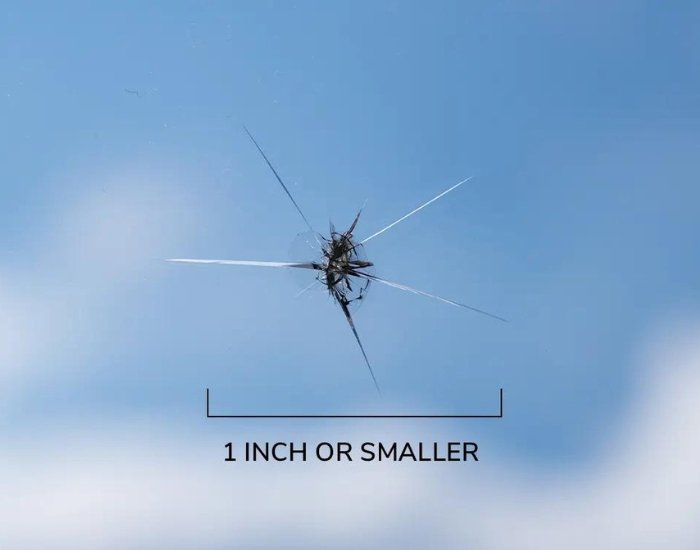
A tiny chip smaller than a coin may remain stable temporarily if repaired quickly. Small chips near the edge of the windshield sometimes pose minimal visibility concerns initially.
However, cracks often spread unpredictably. Heat expansion, potholes, highway vibration, slamming doors, and sudden temperature changes all place stress on damaged glass.
Larger cracks create much greater safety concerns because they:
- Distort visibility
- Weaken structural integrity
- Increase glare during driving
- Spread faster under pressure
- Interfere with driver focus
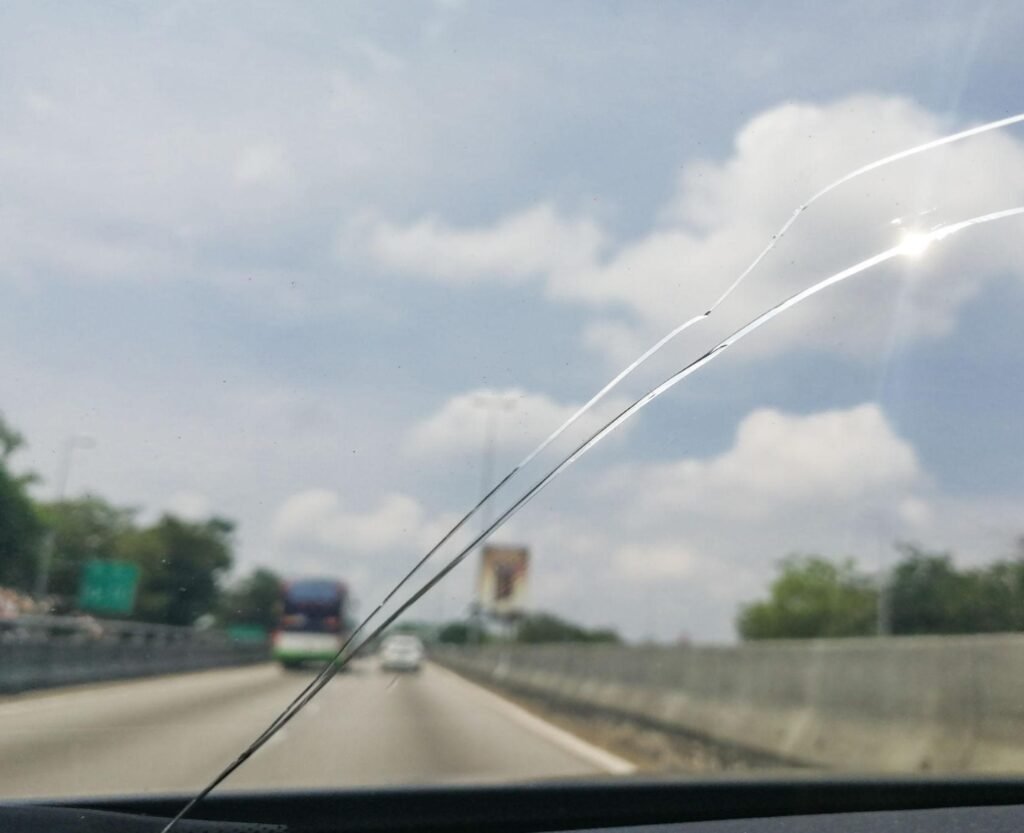
Cracks directly in the driver’s line of sight are especially problematic. Even if the crack itself looks narrow, the way light reflects through damaged glass can make visibility far worse than drivers realize.
Some cracks also branch into multiple fracture lines, creating spiderweb patterns that become extremely distracting during nighttime driving.

Will a Cracked Windshield Fail Inspection in Texas?
Texas inspection rules have evolved over time, and many drivers remain confused about how windshield damage affects inspections.
While Texas no longer requires general safety inspections for many non-commercial vehicles statewide beginning in 2025, unsafe vehicles may still face enforcement under traffic safety laws.
Additionally, some counties continue emissions-related inspection requirements, and law enforcement can still address unsafe windshield conditions regardless of inspection rules.
If windshield damage severely obstructs visibility or creates dangerous operating conditions, drivers may still face citations or be required to repair the issue.
Commercial vehicles, rideshare vehicles, fleet vehicles, and certain specialty vehicles may also have stricter operational safety expectations.
Many drivers incorrectly assume that the removal of general inspections means windshield damage no longer matters legally. That is not true. Visibility and safe operation requirements still apply on Texas roads.
Why Texas Heat Makes Cracks Worse
Texas weather is especially hard on damaged windshields.
Extreme heat causes glass expansion, while air conditioning rapidly cools the interior surface. That constant expansion and contraction puts stress on existing chips and cracks.
Drivers in Houston frequently notice that a tiny chip suddenly spreads across the windshield after parking outside for several hours during summer.
Road conditions also contribute heavily. Construction zones, loose gravel, highway debris, and uneven pavement increase vibration and impact exposure.
Another issue is severe weather. Heavy rainstorms reduce visibility already, and cracked windshields amplify glare and visual distortion significantly during nighttime storms.
Texas drivers often ask:
- Can heat crack a windshield more?
- Why did my windshield crack spread overnight?
- Does cold air make windshield cracks worse?
- Can summer temperatures damage auto glass?
The answer is yes. Temperature stress is one of the biggest reasons minor windshield damage turns into major replacement situations.
Does Insurance Cover Cracked Windshields?
Many comprehensive auto insurance policies help cover windshield repair or replacement, although coverage varies depending on deductibles and policy details.
Some drivers avoid repairs because they assume replacement will be extremely expensive. In reality, insurance sometimes reduces out-of-pocket costs substantially.
Coverage may apply when windshield damage results from:
- Road debris
- Storm damage
- Falling objects
- Vandalism
- Unexpected impact events
However, whether filing a claim makes financial sense depends on the deductible amount compared to replacement costs.
Many auto glass companies assist drivers with insurance verification and claims processing before installation begins.
Drivers frequently ask:
- Does insurance cover cracked windshields in Texas?
- Will windshield claims raise insurance rates?
- Is windshield repair cheaper than replacement?
- Should I pay cash or use insurance?
The best option depends on the severity of the damage and policy coverage details.
Important Note
Not every windshield crack requires panic, and some chips can be repaired safely if addressed early. However, waiting too long often allows cracks to spread into unsafe areas that affect visibility, legal driving conditions, and overall vehicle safety. Early evaluation usually provides more repair options and lower overall costs.
Should You Repair or Replace the Windshield?
Whether repair is possible depends on crack size, location, depth, and severity.
Small chips that have not spread significantly may sometimes be repaired successfully. Repair works best when the damage is addressed quickly before dirt and moisture enter the glass layers.
Replacement becomes necessary when:
- The crack is too large
- The damage blocks visibility
- The crack reaches windshield edges
- Multiple fractures exist
- ADAS camera areas are affected
- The windshield structure is weakened
Drivers often delay replacement hoping the crack will remain stable. Unfortunately, windshield damage rarely improves over time.
Houston heat, road vibration, and weather stress almost always worsen cracks eventually.
The Real Risks of Continuing to Drive
Beyond legal concerns, continuing to drive with severe windshield damage creates practical safety risks many drivers underestimate.
Reduced visibility is one of the most immediate problems. Glare becomes dramatically worse during sunrise, sunset, and nighttime traffic.
Rain also magnifies distortion through cracked glass. Water reflects unevenly through fracture lines, creating blurred or scattered visibility.
Another overlooked issue is driver distraction. Even experienced drivers naturally focus attention toward visible cracks repeatedly while driving.
Structural protection is another major concern. During collisions, the windshield supports airbag deployment and helps maintain cabin integrity. A weakened windshield may fail under crash stress.
Some cracks also spread suddenly. A small fracture may extend across the windshield after hitting a pothole or driving through rapid temperature changes.
Drivers searching online commonly ask:
- Can a windshield crack spread while driving?
- Is it safe to drive long distance with a cracked windshield?
- Can windshield cracks affect airbags?
- Can police stop me for visibility obstruction?
In many situations, delaying repairs increases both safety risks and replacement costs.
What Happens During Windshield Replacement?
Modern windshield replacement is much more advanced than many drivers expect.
Technicians first inspect the damage and verify the correct replacement glass. The damaged windshield is then removed carefully using specialized tools.
The frame area is cleaned thoroughly before new adhesive is applied. High-strength automotive adhesives are critical because they secure the windshield structurally during collisions.
Once the new windshield is installed, technicians inspect sealing and fitment carefully.
Many newer vehicles also require ADAS calibration after installation. This ensures windshield-mounted cameras and safety systems operate correctly.
Depending on the adhesive type and weather conditions, drivers may need to wait before driving safely.
How Much Does Windshield Replacement Cost in Texas?
Windshield replacement pricing varies widely depending on vehicle type, glass technology, and calibration requirements.
Basic sedan windshield replacement may cost several hundred dollars, while luxury vehicles and vehicles equipped with advanced safety systems can cost significantly more.
Modern windshields may include:
- Rain sensors
- Collision cameras
- Heating elements
- Acoustic glass layers
- Heads-up display compatibility
- Lane departure system integration
These technologies increase both glass and calibration costs.
However, addressing damage early may prevent even larger expenses later if cracks continue spreading.
Why Houston Drivers Deal With More Windshield Damage
Houston drivers face unusually high windshield damage exposure because of heavy highway traffic, ongoing construction zones, intense summer heat, and severe weather patterns.
Loose gravel from construction trucks is one of the most common causes of rock chips throughout the Houston area. Long highway commutes also increase exposure to debris impacts.
Rapid weather changes further stress damaged glass. Sudden storms, humidity fluctuations, and extreme sunlight create constant thermal pressure on windshields.
Because of these conditions, many Houston drivers experience cracks spreading much faster than expected.
How to Prevent Windshield Cracks From Spreading
While some windshield damage is unavoidable, a few simple habits can reduce the risk of severe cracking.
Repair small chips quickly before temperature changes worsen the damage. Delaying repairs is one of the biggest reasons minor chips become full windshield replacements.
Avoid blasting extremely cold air directly onto a hot windshield during summer. Sudden temperature differences increase glass stress.
Maintaining safe distance behind trucks and construction vehicles also helps reduce debris impact risk.
Parking in shaded areas during intense heat may further reduce thermal stress on existing chips and cracks.
Frequently Asked Questions
Can you legally drive with a cracked windshield in Texas?
Sometimes, yes. Small cracks may not violate the law, but severe damage that obstructs visibility or creates unsafe driving conditions can result in citations.
Can police pull you over for a cracked windshield?
Yes. Officers may stop drivers if windshield damage affects visibility or appears unsafe.
Will a small windshield crack spread?
Yes. Heat, vibration, potholes, and weather changes commonly cause small cracks to spread over time.
Does Texas require windshield inspections?
Texas inspection requirements changed in 2025, but unsafe windshield conditions can still lead to citations under traffic safety laws.
Is a cracked windshield dangerous?
Large or poorly located cracks can reduce visibility, weaken structural integrity, and interfere with safety systems.
Can windshield damage affect airbags?
Yes. Windshields help support proper airbag deployment during collisions.
How long can I wait before replacing a cracked windshield?
It depends on the severity and location of the damage, but waiting often allows cracks to spread and worsen.
Does insurance usually cover windshield replacement?
Many comprehensive insurance policies provide partial or full coverage depending on deductibles and policy details.
Disclaimer: This article is for informational purposes only and should not be considered legal advice or professional automotive repair guidance. Texas traffic laws and insurance policies may change over time. Always consult qualified legal professionals, insurance providers, or certified auto glass technicians regarding specific vehicle safety concerns and windshield replacement decisions.